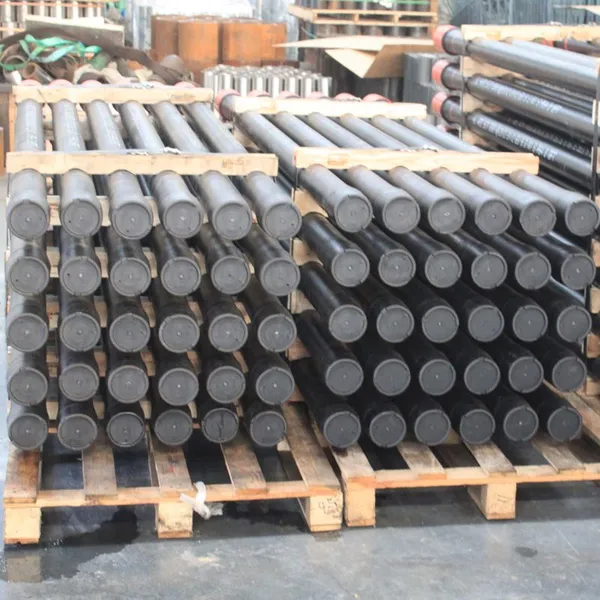
 Business License

Slotted Liner Completion in Geothermal Wells: A Game-Changer for Sustainable Energy Production
Slotted Liner Completion in Geothermal Wells: A Game-Changer for Sustainable Energy Production
For decades, geothermal energy has remained one of the most reliable and low-carbon baseload power sources on the planet, yet bringing superheated steam from depths of thousands of meters to the surface in a safe, efficient, and cost-effective manner is no simple engineering feat. Some of the world’s most ambitious geothermal development projects — from the Olkaria fields of Kenya to the high-temperature reservoirs of Indonesia and Iceland — have increasingly turned to **slotted liner completion** as a proven method for maximizing production while mitigating wellbore failure and sand ingress. And as geothermal drilling pushes deeper into harsher environments, the quality of the completion hardware has become a decisive factor in project economics.
If you have been following the geothermal sector, you have likely noticed that **Kenya Electricity Generating Company (KenGen)** — Africa’s largest geothermal producer — frequently relies on slotted liner completions across its Olkaria fields. In fact, one of the deepest wells ever completed in Ethiopia by KenGen reached 3,000 meters, and many of its production wells in the Olkaria IV field are equipped with slotted liner sections that provide structural stability while allowing steam inflow. The slotted liner serves multiple critical functions simultaneously: it reinforces the wellbore against thermally-induced pressure, prevents blockage from falling debris, and offers a large inflow area for geothermal steam without the complexity of more expensive sand-control systems.
As operators like KenGen continue to push boundaries — their Olkaria IV well achieved a staggering 30 MW of production capacity, one of the largest single-well outputs ever recorded — the need for precision-engineered, durable completion equipment has never been greater. This is where cutting-edge manufacturing technology meets real-world field performance.
What Makes Plasma Slotted Liner Different?
Traditional slotted liners have been manufactured using mechanical milling, laser cutting, or water jet technology, each with inherent trade-offs between precision, structural integrity, and cost. However, over the past two decades, a superior approach has emerged from the collaboration between China University of Petroleum (East China) and an innovative manufacturer: **Dongying Mingde Petroleum Technology Co., Ltd.**
Their patented **plasma slotted liner**, initially developed in 2005 and recognized by China’s National Science and Technology Commission as achieving an “international leading” level, has quietly accumulated a track record across more than 1,000 wells, including extensive deployments in horizontal SAGD (Steam-Assisted Gravity Drainage) and CSS (Cyclic Steam Stimulation) applications. More importantly for geothermal engineers, this technology has been exported globally to the USA, Colombia, Venezuela, UAE, India, Kazakhstan, Sudan, and beyond — a testament to its versatility across thermal and geothermal environments.
Plasma slotted liner’s distinctive feature is its **self-cleaning keystone (trapezoidal) slot geometry**. Unlike conventional rectangular or laser-cut slots that narrow over time as fines accumulate, the plasma slot is intentionally narrower at the pipe’s external surface and gradually widens toward the interior. This “outside narrow, inside wide” profile creates an inherent self-cleaning effect: particles small enough to enter the outer slot readily pass through the expanding cavity without bridging or plugging, while larger grains are naturally screened out, forming a stable external filter cake that actually enhances rather than impairs permeability over time.
Engineered for the Demands of High-Temperature Geothermal
The downhole environment in geothermal wells presents formidable challenges that conventional oil and gas completion tools were never designed to withstand. Elevated temperatures (often exceeding 300°C) can substantially impair the collapse strength of slotted liners, and thermally-induced stresses can lead to premature liner deformation or failure. Geothermal fluids typically contain high concentrations of dissolved minerals, chlorides, carbon dioxide, and hydrogen sulfide — compounds that rapidly accelerate corrosion and scale deposition on standard steel surfaces.
Dongying Mingde’s plasma slotting process directly addresses these challenges through a unique manufacturing phenomenon: during high-frequency, high-temperature plasma cutting, the water-based compound working fluid undergoes electrolytic dissociation and thermal decomposition. The resulting byproducts react with the metal on the slot surface, simultaneously generating a **hardened anti-corrosion layer approximately 0.1–0.2 mm thick** — more than three times the hardness of the original base pipe material. This quenching effect, achieved in a single processing step, provides exceptional resistance to both abrasive wear from proppant flowback and chemical attack from corrosive geothermal brines.
Moreover, unlike conventional cutting methods that produce heat-affected zones, micro-cracking, or slag requiring secondary deburring operations, the plasma process results in clean, burr-free slot surfaces with exceptionally low roughness (Ra ≤ 1.6 mm). The absence of stress risers and micro-defects preserves more than 70 to 80 percent of the base pipe’s original tensile strength, dramatically reducing the risk of liner fracture during deployment or under cyclic thermal loading.
Cost-Effective, Field-Proven Reliability
For geothermal operators managing tight drilling budgets, the total cost of completion ownership matters as much as technical specifications. Plasma slotted liner offers compelling advantages on this front: the unit price is approximately 70 percent that of alternative precision slotted screens, yet field data from thermal well applications demonstrates that even after ten steam injection cycles, no sand production has been observed. This kind of longevity translates directly into reduced workover frequency and lower life-cycle costs.
Another practical benefit is the liner’s handling and installation characteristics. Plasma slotted liner maintains nearly the same outer diameter and tensile strength as plain casing (less than 3 percent reduction after slotting), making it significantly easier to run into long horizontal or deviated geothermal sections without encountering differential sticking or requiring specialized handling equipment. The slotted pattern is typically arranged in a staggered configuration to preserve as much mechanical strength as possible while providing open area ratios between 1 and 3 percent.
A Solution for the Global Geothermal Expansion
As the global energy transition accelerates, geothermal power capacity is projected to expand substantially over the coming decade, with East Africa’s Rift Valley, Southeast Asia’s volcanic arcs, and the western United States’ basin-and-range province emerging as primary development frontiers. Completion engineers designing wells in the Akiira Ranch field in Kenya, the McGinness Hills field in Nevada, the Hululais field in Indonesia, and the Reykjanes field in Iceland have all adopted slotted liner strategies because of the technology’s simplicity, robustness, and cost-effectiveness.
For organizations like KenGen, which generates approximately 39 percent of Kenya’s electricity from geothermal resources (supplemented by hydro, wind, and limited thermal generation), the reliability of downhole completion equipment is not merely an engineering detail — it directly impacts national power supply and renewable energy targets.
The Bottom Line
Slotted liner completion is not new — but plasma slotted liner technology represents a meaningful evolution of a mature concept. By delivering self-cleaning keystone slot geometry, integrated surface hardening, burr-free precision, and lower cost compared to alternative slotted screen technologies, Dongying Mingde Petroleum Technology Co., Ltd. has developed a product that addresses the specific mechanical, chemical, and economic realities of modern geothermal well construction.
Whether you are planning an exploration well in Kenya’s Olkaria field, a high-temperature producer in Indonesia, or a deep sedimentary geothermal project anywhere in the world, plasma slotted liners merit serious consideration. Innovation in completion hardware may not grab headlines the way 30 MW well tests do, but it is precisely these engineering details that determine whether a geothermal field delivers reliable power for decades — or becomes an expensive liability.
If you would like to learn more about plasma slotted liner specifications, design optimization, or field deployment experience, reaching out to Dongying Mingde’s technical team is a logical first step. For geothermal operators, the right completion choice made today will pay dividends in steam production and reduced intervention costs for years to come.
Recently Posted
-
Plasma Slotted Liner: Erosion Resistance Performance — From Theory to Application Cases
June 8, 2026Plasma Slotted Liner: Erosion Resistance Performance - From Theory to Application Cases IntroductionIn the oil and gas i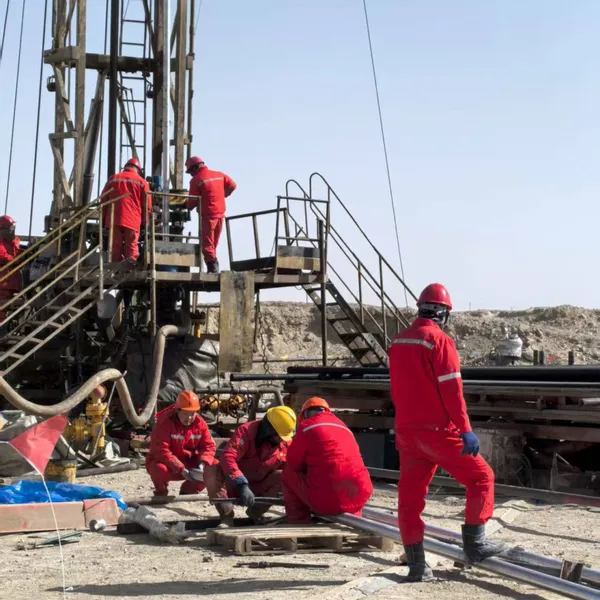 Read More
 -
Sand Control Strategies in Colombia: Optimizing Production in Challenging Formations
December 15, 2025Sand production is a critical challenge in Colombia’s oil and gas sector, particularly in geologically complex regions like the Ll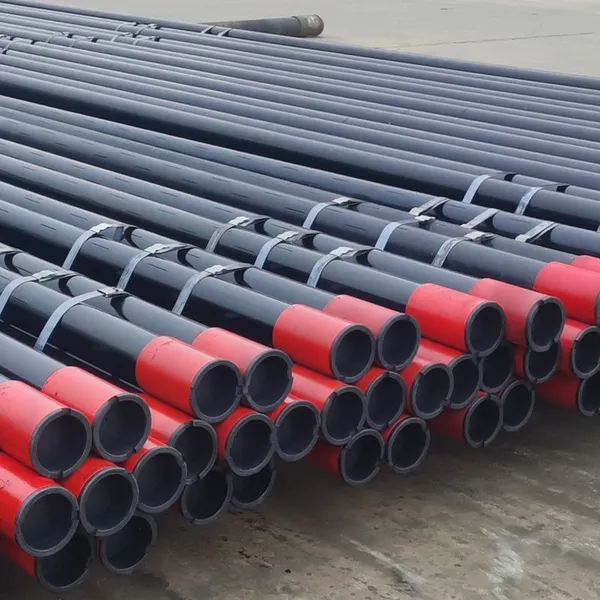 Read More
 -
¿Por qué las Completaciones con Liner Ranurado son Esenciales para la Producción de Crudo Pesado en
December 5, 2025El futuro petrolero de Venezuela yace en las desafiantes y poco consolidadas arenas de los campos de crudo pesado de la Faja del O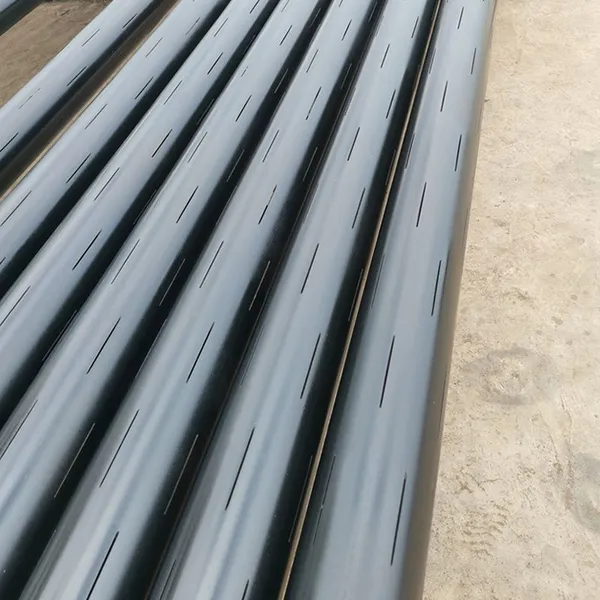 Read More
 -
Domando al Gigante: Completaciones Avanzadas con Liner Ranurado para los Complejos Yacimientos del L
November 26, 2025Domando al Gigante: Completaciones Avanzadas con Liner Ranurado para los Complejos Yacimientos del Lago de MaracaiboCategoría: Tec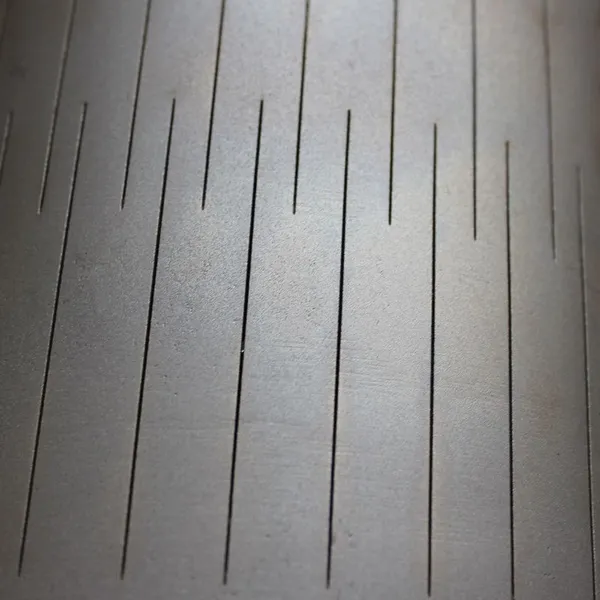 Read More

Contact Us
Recommended Products
-
 SAGD Horizontal Well Open Hole Slotted Liner for Oil Sand RecoveryUS$ 30 - 400MOQ: 100 Meters
 -
API Spec 5CT Oil Tubing Pup Joint PipeUS$ 1000 - 3000MOQ: 25 Tons
-
Perforated Casing Pipe Well CompletionUS$ 30 - 100MOQ: 100 Meters
-
High-Quality Oilfield Slotted Liner Tubería Ranurada – API 5CT Carbon Steel Sand Control Screen for Well CompletionUS$ 30 - 300MOQ: 100 Meters
-
Slotted Liner Slotted Casing Pipe Slotted TubingUS$ 30 - 300MOQ: 100 Meters
-
Tubing Pup JointsUS$ 30 - 100MOQ: 10 Pieces
-
TUBERÍA RANURADA Slotted Liner Pipe Sand Control Venezuela Tubería Ranurada Para Control de Arena – Completación de Pozos en VenezuelaUS$ 30 - 300MOQ: 100 Meters
-
Plasma Slotted LinerUS$ 30 - 300MOQ: 100 Meters
-
Oil Well Tubing Pup JointUS$ 30 - 100MOQ: 10 Pieces
-
Top Quality 3-1/2'' EUE L80 6FT Pup Joint Casing Tubing ManufacturerUS$ 1000 - 3000MOQ: 25 Tons
-
Pipe Based Wire Wrapped Screen WWS– Continuous V-Slot Sand Control Screen for Oil & Gas WellsUS$ 30 - 100MOQ: 100 Meters
-
OTTM Casing Pipe-GOST 632-80 Russian Standard Thread Connection for Oil & Gas WellsUS$ 20 - 100MOQ: 100 Meters
-
Slotted Liner for Geothermal Wells and CO₂ Sequestration Wells Well CompletionUS$ 100MOQ: 200 Meters
-
Johnson Screen Pipe Wire Mesh Screen Pipe-V-Slot & Multi-Layer Sand Control SolutionsUS$ 30 - 100MOQ: 100 Meters
-
Pup Joint API Spec 5CT Best Supplier in ChinaUS$ 30 - 300MOQ: 20 Pieces
-
J55 Oil Tubing Pup Joint C/W Coupling-API 5CT Seamless, EUE Thread, Length Custom, Rig-ReadyUS$ 30 - 100MOQ: 10 Pieces
-
Oil Well Oilwell Tubing Pipe for Oil and GasUS$ 30 - 100MOQ: 10 Pieces
-
Pup Joint for SaleUS$ 30 - 100MOQ: 10 Pieces
-
Oilwell Oil Tubing PipeUS$ 30 - 100MOQ: 10 Pieces
-
Oilfield Pup Joint J55 Pup Joint For SaleUS$ 30 - 100MOQ: 10 Pieces